
NRO funds BlackSky for new satellites, AI-optimized image detection system
"The NRO is at the forefront of integrating AI into space-based ISR," a spysat agency spokesperson told Breaking Defense.
"The NRO is at the forefront of integrating AI into space-based ISR," a spysat agency spokesperson told Breaking Defense.


Accelerating space-based intelligence — the most critical domain in modern warfare — at disruptive speed and economics.

AI is reshaping the Army’s approach to cyber, electronic warfare and command and control. At TechNet Augusta 2026, leaders outlined how they’re turning emerging technology into capabilities for the battlefield.
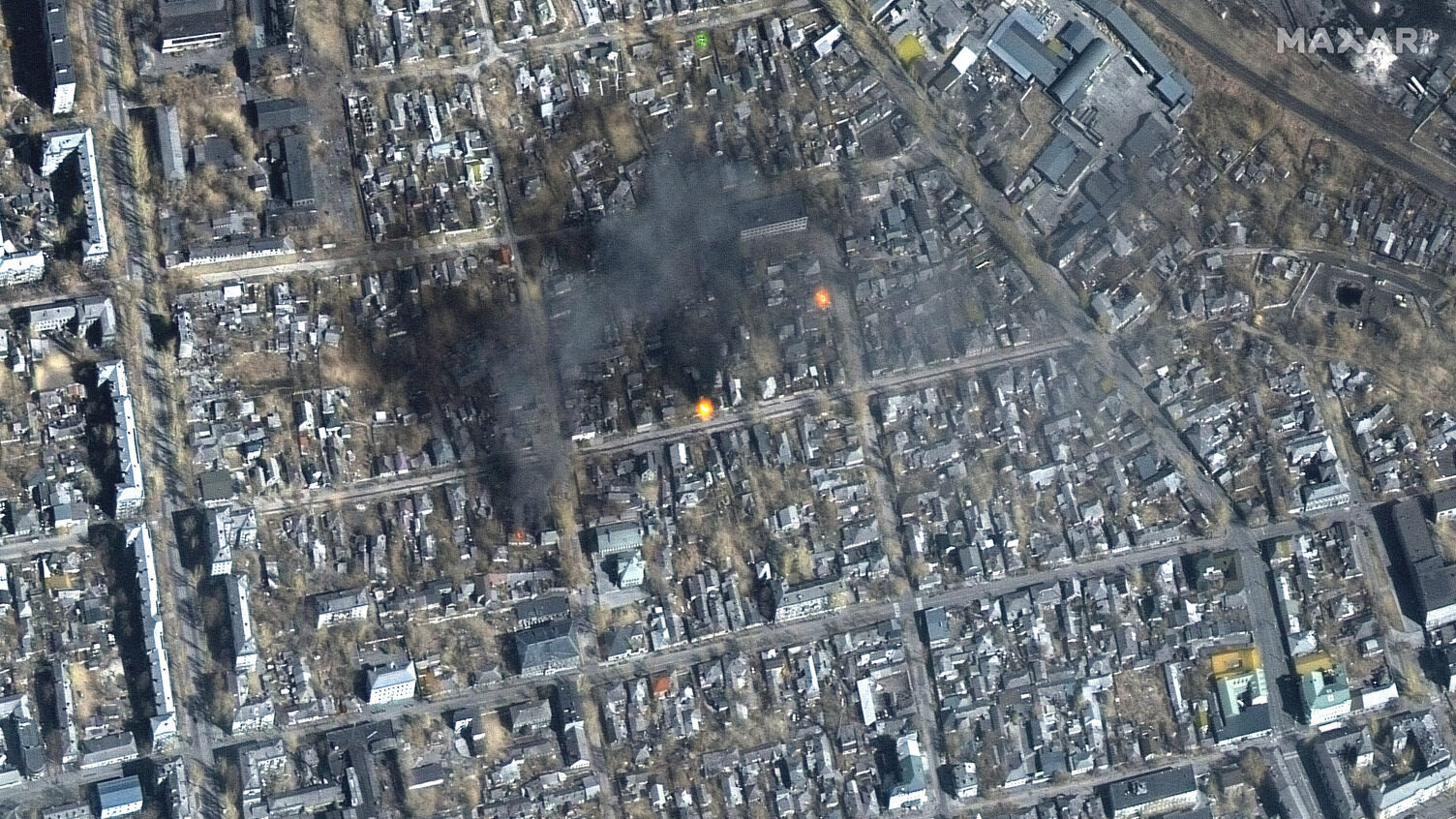
Commercial imagery has proven invaluable in the Ukraine conflict, both to the US government's information war against Russia and to the Ukrainian military.

"We're talking to a lot of different organizations in the government — Space Force, the Army, the Air Force — many that are looking at how you could leverage commercial technologies and tactical ISR," BlackSky CEO Brian O'Toole told Breaking Defense.
Payam Banazadeh, CEO of Capella Space, told Breaking Defense that the Ukraine war has been a "critical place for the industry to show itself," but NRO says it isn't accelerating the SAR acquisition process.

Pete Muend, director of the NRO Commercial Systems Program Office, told the USGIF GEOINT 2022 conference that RF tracking for Ukraine has been "great benefit," and spy agency wants to expand the capability.

Explore how software, edge AI and resilient connectivity can strengthen military logistics in contested environments. Join Breaking Defense on Oct. 21 and earn 1 CPE credit.

"There is no 911 ... for us to call to get help," said J.R. Riordan, chief revenue officer at BlackSky.

"We've been talking about the fact that space is contested, and we're probably right in the middle now of our first space fight," said Lt. Gen. Michael Guetlein.
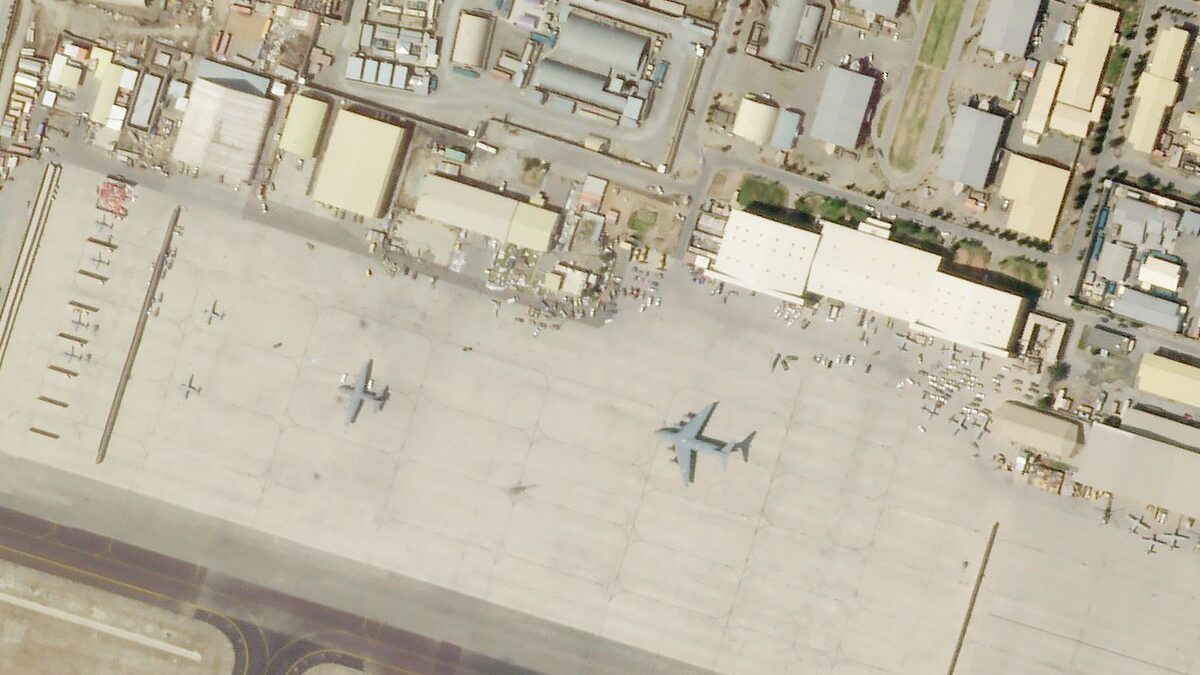
NRO use of shutter control on commercial electro-optical imagery would be "very rare," and "limited in both area and time," said Peter Muend, head of the spy agency's commercial office.

"Unfortunately, some of the Army's signature modernization efforts, as spectacular as they are, don't work with the other signature modernization efforts," said Ed Mornston, G2 at Army Futures Command.


Traditional thinking about how to protect facilities must adapt to new threats such as drones or downstream attacks.

The ability to directly access remote sensing satellite data for targeting has long been a Holy Grail for the Army.

"We really view ourselves, not as a space company, not as a satellite company, but as a geospatial intelligence company," says BlackSky's Chief Technical Officer Peter Wegner.

Space Force is not a voting member of the new(ish) IC Commercial Space Council to improve coordination on commercial space policy -- but NRO and NGA are.

The plan for multiple contracts represents a sea-change from past Intelligence Community practice in buying commercial satellite imagery.